
Oral Clear Gum Review: Does It Really Work?
The panic hits like a freight train. You get the call—the job, the promotion, the probation check—and it comes with three terrifying words: mouth swab tomorrow. For a daily smoker, this isn’t a minor hurdle; it’s a crisis. The immediate detection window for saliva tests turns your personal freedom into a professional liability overnight. You’re left shitting bricks, scouring forums at 2 AM, wondering if your off-the-clock choices will cost you the paycheck you need.
This is the core problem of short-notice mouth swab tests: they measure recent oral contamination, not long-term abstinence. And it’s in this high-stakes, high-anxiety scenario that a product like Clear Choice Oral Clear Gum enters the conversation. Marketed as an oral clear saliva neutralizing gum, it promises a rapid, on-the-spot solution. But with a price tag that stings and a mechanism that sounds too simple, the skepticism is justified.
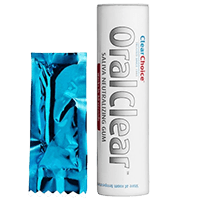
- Acts in 30 seconds
- Most effective to pass a drug test
- Lasts for 30 minutes
- Legal
Is this oral clear gum detox tool a genuine lifeline, or just another expensive scam preying on desperation? This isn’t a promotional guide. It’s a case study—a grounded, scenario-based examination to separate the marketing claims from the pharmacological realities. We’ll dissect what it does, who it might actually work for, and where its limitations lie, all through the lens of someone who understands that the real stakes aren’t about a buzz, but about your livelihood.
Three High-Stakes Scenarios That Define a Swab Test Panic
Let’s map the panic. Before we ever touch the gum, we need to understand the battlefield—the specific, high-pressure moments where the need for a solution becomes desperate. This isn’t abstract anxiety; it’s a triad of concrete scenarios that define the “swab test panic.”
Scenario 1: The Last-Minute Job Offer
You’ve crushed the interview. The call comes: “You’re hired. We just need you to pass the drug screen tomorrow morning.” The relief curdles into dread. This is the contingent offer—the job is yours if you pass. The time constraint isn’t measured in days, but in hours. Here’s the pharmacological friction: drugs appear in oral fluid within 5 to 30 minutes of use. If you celebrated that interview callback with a session, your saliva is already a liability. The anxiety isn’t just about failing; it’s about watching a tangible opportunity—a steady paycheck, benefits, a way out—evaporate because of what you did last night.
Scenario 2: The Random Workplace Swab
The manager pulls you aside. “Random screening. We need a sample now.” There’s no warning, no time to strategize. This is where the “shittin bricks” sentiment hits hardest. Modern saliva tests are 93-100% specific and conducted under direct observation, making manipulation nearly impossible. The ultimate fear? Being one of the people who “literally smoked a blunt on the way to the test.” Research shows oral contamination from recent use can cause drug concentrations to spike to absurd levels—think 15,000 ng/mL—in that first half-hour. A positive result here doesn’t mean a warning; it often means immediate termination. Your income, your routine, your stability—gone in the time it takes to swab your cheek.
Scenario 3: The Probation Check-In
This scenario changes the stakes from financial to existential. Failure isn’t about losing a job; it’s about losing your freedom. The testing environment is formal, observed, and unforgiving. Standard protocols often require a 10-minute abstinence period from eating or drinking before collection, slamming the door on last-second mouthwash hacks. For chronic users, the detection windows are brutal: THC can linger for up to 72 hours, methamphetamine for 10 days. The anxiety is layered—it’s not just the test, it’s the knowledge of how to pass drug test for probation and that your chronic use, which you might see as self-medication for anxiety or pain, is now a direct threat to your parole. The consequence isn’t a write-up; it’s a potential return to a cell.
Each scenario applies a unique, crushing pressure. A sudden timeline. A complete lack of control. A consequence that threatens your core stability. In this state of pure, reactive panic, the question isn’t philosophical. It’s tactical. In this situation, is there a tool that can actually help?
What Clear Choice Oral Clear Gum Claims to Do
One commercial option making bold promises in this panic-driven marketplace is Clear Choice Oral Clear Gum. Before we dissect its real-world value, we need a clear, no-hype understanding of what it claims to be and how it’s supposed to work. This isn’t just minty fresh gum; it’s marketed as a targeted, single-use intervention.
The Claim: A Temporary Saliva Neutralizer
At its core, Oral Clear Gum is presented as an instant masking agent. Its fundamental promise is not to cleanse your body or bloodstream of toxins—that’s a different battle entirely. Instead, it aims to temporarily neutralize or conceal drug residues present in your saliva at the moment of the test. Think of it less as a deep-clean and more as a tactical paint-over, designed to create a clean window for the swab to pass through. The manufacturer states this neutralized state can last up to 30 minutes, with peak effectiveness in the first 10.
The Mechanism: More Than Chewing
The differentiation from a stick of Wrigley’s lies in its delivery system and composition. Here’s the claimed process, broken down:
- The Burst: The gum contains a liquid-filled capsule. You’re instructed to chew it with your lips sealed to burst this capsule, releasing the active formula.
- The Coating: Chewing for 30 seconds is meant to distribute this liquid across all oral surfaces—tongue, gums, cheeks, and teeth.
- The Chemistry: This is where the “proprietary blend” does its alleged work. The formula contains agents like Perhydrol (a hydrogen peroxide derivative) and citric acid. The theory is twofold: the citric acid adjusts your mouth’s pH and stimulates saliva flow, which can help dilute free-floating metabolites. Meanwhile, the neutralizing agents are claimed to bind to or alter drug residues, making them less detectable.
Crucially, the gum targets a range of substances—from THC and nicotine to cocaine, methamphetamine, and certain prescription opioids. But understanding the claim is one thing. The real test is in the application—how you actually use this under the crushing pressure of a ticking clock. That tactical execution is what we need to examine next.
- Acts in 30 seconds
- Most effective to pass a drug test
- Lasts for 30 minutes
- Legal
Step-by-Step: Applying Oral Clear Gum in Specific Swab Test Scenarios
Knowing the theory is one thing. Having a clear, step-by-step playbook for your exact situation is what separates a pass from a panic. Let’s break down the tactical execution for three common high-stakes scenarios. Follow these steps precisely.
Scenario 1: The Roadside or “Surprise” Test
This is for when you’re pulled over, surprised at work, or have less than an hour’s notice. Discretion and speed are everything.
- Timing: Execute immediately upon knowing a test is coming. The manufacturer claims neutralization begins within 30 seconds.
- Discreet Prep: Remove the gum from its tube and wrapper. Save the wrapper for later disposal.
- The Critical Seal: Place the entire piece of gum in your mouth and seal your lips firmly around it. Do not bite yet.
- Activate: Once your lips are sealed, bite down firmly to burst the inner capsule. This releases the liquid neutralizer.
- Swish & Coat: Use your tongue to aggressively swish the liquid across every surface—cheeks, gums, roof of mouth, and especially under the tongue. Do this for a full 30 seconds.
- The Car Protocol: If you’re in a vehicle, keep your lips sealed the entire time to avoid any visible foaming or liquid spillage. Chew and swish silently.
- Final Step: After 30 seconds, you can discreetly spit the gum into the saved wrapper. Do not swallow the liquid or the gum.
Scenario 2: Pre-Scheduled Employment Screening
You have 5-10 minutes of lead time. This is your chance to optimize.
- Pre-Game Hygiene: Before you even leave for the test site, brush your teeth and floss thoroughly. This removes bulk residue and gives the neutralizer a cleaner surface to work on.
- Timing: Plan to use the gum 5-10 minutes before your appointment time. This places you squarely within the product’s claimed peak effectiveness window.
- Execution: Once in the parking lot or a private restroom, follow the same Seal, Bite, Swish protocol. This time, chew and swish for a full 30-60 seconds to ensure complete coverage.
- Dispose: Spit the gum into the wrapper before you walk into the facility. Do not carry it in with you.
Scenario 3: Post-Accident or Incident Testing
You’re notified on the spot. The clock is ticking, often with a mandatory observation period.
- Timing: Use the gum immediately when you’re told a test is required. The effective window is limited to about 30 minutes.
- Strategic Window: If the collector offers a water rinse (common in DOT/HHS protocols), take it. Then, during the mandatory 10-minute observation period where you must not have anything in your mouth, find a moment (like turning away to dispose of the rinse cup) to use the gum if you can do so unobserved.
- Execution: Follow the standard Seal, Bite, Swish method for 30 seconds.
- Key Limitation: Avoid swallowing during this process. Swallowing moves saliva—and the neutralizing agents—out of your mouth, reducing the coating’s effectiveness. Let the liquid work in your oral cavity.
Universal Precautions & The Make-or-Break Details
These apply in every scenario.
- The 30-Minute Rule: After using the gum, do not eat, drink, smoke, or put anything else in your mouth. This will wash away the protective coating you just applied.
- The Observation Hurdle: Be aware that standard collection protocols include a 10-minute observation period. The collector is trained to look in your mouth for foreign objects like gum or mints. Having a wrapper in your pocket is a red flag.
- Storage is Key: Do not squeeze the tube or leave it in a car. Heat and pressure can prematurely burst the capsule, ruining the product before you even need it.
- Manage Dry Mouth: Some users report the gum can cause dry mouth. If this happens, it may take longer to produce enough saliva to saturate the test swab. This could theoretically outlast the gum’s 30-minute neutralization window.
You now have the tactical playbooks for the most common swab-test ambushes. But knowing the steps and having confidence they’ll work are two different things. The critical question remains: does meticulously following this protocol actually result in a pass? We need to look at the evidence.
Critical Do’s and Don’ts for the 15-Minute Window After Using Oral Clear Gum
The 15-Minute War: Your Do-or-Die Actions After Chewing
You’ve chewed the gum. The bitter, medicinal capsule has burst. The clock is now ticking on a razor-thin, 30-minute window where the product is theoretically working. This isn’t a passive waiting period—it’s an active, tactical phase where your actions directly dictate success or failure. Stress and instinct will tempt you to do exactly the wrong things. Here’s your high-contrast protocol.
The “Do” List: Maximize Neutralization
These are the non-negotiable actions to ensure the product’s agents coat every surface of your mouth.
- Swish Like Your Job Depends On It. Vigorously swish the liquid and saliva mixture into your gums, cheeks, the roof of your mouth, and under your tongue. Don’t just let it sit; mechanically force contact with 100% of your oral mucosal surfaces.
- Use Your Tongue as a Tool. Actively rub the liquid into your gumline and the hard-to-reach pockets where residue hides. Think of it as manually applying a protective sealant.
- Hold the Line. Keep the concentrated liquid in your mouth for at least 30 to 60 seconds before spitting. This dwell time is critical for the chemical interaction to occur.
- Seal Your Lips. Keep your mouth sealed during the entire chewing and swishing process. An open mouth risks losing the active neutralizing agents you’re working so hard to apply.
- Aim for the First 10 Minutes. The product’s best results are cited within the first 10 minutes of activation. If you have any control over timing, walk into that testing facility and get swabbed as soon as humanly possible within this window.
The “Don’t” List: Avoid Self-Sabotage
Your nerves will scream at you to do these things. Ignore them. Each one is a direct path to failure.
- Do NOT Drink Water. The medicinal taste is awful. Your instinct will be to rinse it away with water. This is the single most common point of failure. Drinking simulates swallowing and flushes the neutralizing coating right off your oral surfaces, leaving you exposed.
- Do NOT Smoke a Cigarette. Need a drag to calm your nerves? Don’t. Smoking introduces new residues and alters your saliva flow, potentially compromising the “clear” state you just created. It’s a direct contaminant.
- Do NOT Swallow the Liquid. Swallowing removes the active agents from your oral cavity entirely, sending them to your stomach where they do nothing for the swab. Spit it out, but only after the critical swishing and hold time.
- Do NOT Eat Anything. Food, especially sour or fibrous items, dramatically increases saliva turnover. This mechanical clearance will wash away the protective film faster than your natural saliva flow.
- Do NOT Guzzle Acidic Drinks. Avoid sodas, energy drinks, or fruit juice. These can crash your salivary pH, potentially interfering with the product’s chemical matrix and the ion-trapping of drug metabolites.
Why These 15 Minutes Are a Biological Battlefield
Understanding the “why” can fortify your resolve to follow the “do” list.
- Re-equilibration is the Enemy. Drug metabolites are constantly moving from your blood and oral tissues into your saliva. The gum’s coating is a temporary barrier. If you dilute or remove that coating (by drinking water, for instance), metabolites can re-contaminate your mouth within minutes.
- Your Saliva is a Variable. High stress can cause erratic saliva flow—sometimes too little (making the swab difficult), sometimes too much. Excessive saliva can dilute the concentration of the neutralizing agents you just applied.
- The Window is Strictly Limited. The product’s effective duration is a hard 30 minutes. After that, natural saliva production and oral clearance mechanisms will steadily wash away any remaining protection. Effectiveness diminishes rapidly.
The difference between a pass and a fail often isn’t the product itself—it’s whether you withstand the urge to rinse, smoke, or swallow in those critical, anxious minutes after you chew. Discipline in this window is your final, and most crucial, step.
- Acts in 30 seconds
- Most effective to pass a drug test
- Lasts for 30 minutes
- Legal
Oral Clear Gum Reviews: Assessing Real-World Success and Failure
So, you’ve seen the claims and the instructions. But the bedrock question remains: does this stuff actually work when it’s your job on the line? The online discourse is a noisy, contradictory battlefield of testimonials and warnings. To cut through the commodity of opinion, we need to dissect the real-world evidence—both the victories and the failures—with a critical eye. The synthesis isn’t a simple yes or no; it’s a conditional maybe, hinging on variables the marketing often glosses over.
The Success Stories: When Timing and Discipline Align
A significant thread of positive oral clear gum reviews coalesces around a specific profile: the light-to-moderate user who follows protocol to the letter. The feedback isn’t about magic; it’s about precision.
- The “Worked for My Lab Test” Scenario: This is the holy grail for our audience. Users report passing tests that were explicitly sent to a laboratory for confirmation, not just an instant-result swab. The common denominator in these stories is meticulous timing—chewing the gum exactly as instructed in the car, proceeding directly to the testing facility, and enduring the wait without contaminating their mouth.
- Effectiveness Across Substances: Positive reports aren’t limited to THC. The gum is cited as effective for neutralizing residues of nicotine, prescription opioids, and even illicit substances like cocaine or methamphetamine in the short-term window. This multi-substance utility is a key differentiator for users concerned about more than just weed.
- The Discreet Advantage: The 30-second activation and portable capsule are frequently praised. For someone facing a random test at work or needing a solution on the go, this logistical friction is dramatically lower than smuggling a bottle of mouthwash.
The Failure Reports: Where the System Breaks Down
The inverse applies—and these negative reports are just as instructive, often revealing the product’s hard limitations.
- The Heavy User’s Dilemma: A consistent pattern of failure emerges among daily, heavy consumers, particularly those using high-potency concentrates like dabs or wax. The theory here is straightforward: chronic use embeds metabolites more deeply in the oral mucosa, and a single application of a neutralizing agent can’t overcome that persistent residue. The feedback from this cohort is blunt: “failed for dabs.”
- The Timing Trap: The most common cause of failure isn’t the product’s chemistry, but human error or bad luck. The 30-minute effective window is non-negotiable. Users report failures when they were held in a waiting room for 45 minutes, or when nervousness caused excessive swallowing or saliva production, washing the protective layer away prematurely.
- The Hygiene Factor: Poor oral hygiene is a silent killer of effectiveness. Plaque buildup or recent smoking residue creates a physical barrier. The gum’s agents can’t neutralize what they can’t reach. This isn’t a product flaw per se, but a critical prerequisite the user must manage.
Addressing the “Paid Shills” Skepticism
Here’s the deeper problem with navigating reviews: the suspicion that the comment sections are an arms race of authenticity. The contrarian view—that it’s all a scam—is just as homogeneous and unhelpful as the hype.
The reality is more nuanced. The polarized feedback often reflects the scenario mismatch we discussed earlier. A success story from a weekend smoker facing an instant swab is irrelevant to a daily dab user facing a lab test. Conversely, a failure from that heavy user doesn’t invalidate the product for everyone.
The skepticism is valid, but it should be directed at the universality of the claims, not necessarily the product’s existence. The absence of peer-reviewed clinical trials is a legitimate intellectual gap. We’re operating in a realm of anecdotal evidence, where user experience is the primary dataset. Consequently, the most trustworthy reviews are those that specify the context: frequency of use, type of substance, and—most critically—whether the test was instant or lab-based.
This evidence presents a clear dialectical framework: Oral Clear Gum appears to be a viable tool for specific, constrained scenarios. It is not a guaranteed pass for every person in every situation. The “After” picture is one of conditional success, where the product is a bridge that only holds if you cross it correctly, and if you aren’t carrying too much weight.
That conditional success naturally begs the next question: if the outcome is this variable, how does this expensive, single-use gamble stack up against the cheaper, DIY methods you already know about? The trade-offs between cost, convenience, and proven reliability become the critical next piece of the puzzle.
Oral Clear Gum vs. DIY and Other Commercial Detox Options
The “Why would I pay $20+ when peroxide costs a dollar?” question isn’t just logical—it’s the bedrock of the resourceful, DIY ethos that defines the stoner community’s approach to beating tests. But there’s a deeper problem here: framing this as a simple choice between a dollar and a hundred dollars ignores the critical variables of risk, discretion, and what you’re actually up against. Let’s cut through the noise with a direct, side-by-side breakdown.
The core trade-off isn’t just cost. It’s a choice between affordability and community trust versus discretion and a different kind of gamble. Here’s how the options actually stack up:
| Factor | DIY Method (Hydrogen Peroxide/Baking Soda) | Commercial Detox Mouthwashes (e.g., Toxin Rid) | Oral Clear Gum (The “Premium” Option) |
|---|---|---|---|
| Cost | Extremely Low. Pennies per use. The clear winner for the broke and resourceful. | Low to Moderate. $15-$35 per bottle, good for multiple uses. | Extremely High. $90-$124 for a single-use capsule. A major financial gamble. |
| Reliability for Lab Tests | High-Risk & Unproven. While water rinsing temporarily lowers concentrations, there’s zero peer-reviewed evidence that peroxide chemically destroys metabolites. For a lab test, this is a massive, unvalidated risk. | Contradicted by Science. One peer-reviewed study found a leading mouthwash had “no substantial effect” on THC levels in chronic users. Marketing claims directly contradict lab data. | Unverified Claims. Claims “neutralization” but key ingredients have no validated role in metabolite degradation. Its mechanism is as scientifically unproven as the DIY method. |
| Ease of Use & Discretion | Low. Requires a private space to vigorously swish and spit. Doing this in a car or public restroom is messy, suspicious, and leaves you with peroxide breath. | Moderate. Requires swishing for minutes and a place to spit. The bottle itself is a liability if discovered. | High. The key differentiator. A small capsule chewed for 30 seconds. It’s the most discreet option for a supervised test or a last-second panic. |
| Risk of Mouth Pain | Moderate to High. Overuse of hydrogen peroxide can cause chemical burns, raw gums, and severe soreness—a painful trade-off. | Variable. Alcohol-based formulas may cause dryness or irritation. | Low. Uses mechanical stimulation, generally non-irritating. |
| Speed & Window | Immediate but Fleeting. Effects are most potent immediately after rinsing, with normalization occurring within 15-30 minutes as toxins re-equilibrate from your blood. | Fast. 1-3 minute activation with a 30-60 minute window. | Very Fast. Manufacturer claims a 30-second activation and a 30-minute window, peaking in the first 10. |
The Synthesis: What This Comparison Actually Reveals
This table exposes a uncomfortable truth: all methods are high-stakes gambles with unproven mechanisms against laboratory confirmation. The DIY route is cheap but carries a high risk of failure and physical discomfort. The commercial mouthwash is a middle-ground that science has already punched holes in. The gum is the most expensive and discreet, but you’re paying a premium for convenience and speed, not for proven, lab-beating efficacy.
Consequently, your choice isn’t between a “scam” and a “sure thing.” It’s a risk-management calculation based on your specific scenario, highlighting various strategies for how to pass a saliva drug test depending on your budget and timeline:
- Choose the DIY peroxide method if: You are on an extreme budget, facing an instant, on-site swab test, and you can time your rinse to within 5 minutes of the test. Accept the physical risk and the high probability of failure if it’s sent to a lab.
- Consider a commercial mouthwash if: You need a slightly longer window than peroxide offers and want a product marketed for the purpose, but you must understand its effectiveness is scientifically disputed.
- The case for Oral Clear Gum narrows to one primary factor: discretion. If you’re in a supervised testing scenario where a bottle or a long bathroom trip is impossible, the gum’s capsule form is the only viable option. You are paying $100+ for the ability to use it in a stall in 30 seconds. For everyone else, the cost is likely unjustifiable.
The “stoner nation” wisdom on peroxide isn’t wrong—it’s a testament to community ingenuity under pressure. But its trust is built on anecdotal success with less-strict tests. When your freedom or a critical job is on the line and a lab is involved, the fundamental question becomes: can you afford to trust a method with no scientific backing? The gum offers no more proof, just a more expensive and convenient way to take that same unvalidated gamble.
Risks and Realities: Side Effects and Limitations for Heavy Users
But there’s a deeper problem here—and it’s one that even the most expensive, convenient tool can’t engineer away. Every method, from peroxide to this gum, operates on the same precarious principle: overwhelming or masking trace evidence in a narrow window. For the heavy user, this isn’t a minor caveat; it’s the central, unavoidable risk.
Let’s be clear about the physical trade-offs first. The gum’s peroxide-derivative (perhydrol) can cause burning, numbness, or irritation. It’s a controlled dose, which makes it relatively safer than gargling straight hydrogen peroxide—a DIY method that can lead to chemical burns and raw gums. But “relative safety” isn’t “no risk.” If you have canker sores, gingivitis, or recent dental work, that capsule can cause significant discomfort. Its artificial sweeteners and soy lecithin can also trigger sensitivities or allergic reactions. Critically, it contains aspartame, which is a serious health hazard for anyone with phenylketonuria (PKU). This isn’t a scare tactic; it’s a non-negotiable contraindication.
The Real Limitations for the Daily Smoker
The gum’s promise is neutralization. The reality for a heavy user is a biological arms race you’re likely losing. Here’s the synthesis of the science:
- The Recent-Use Spike: If you’ve smoked or dabbing within 15-30 minutes of the test, your oral fluid can contain an overwhelming concentration of the parent drug. The gum’s agents may simply be swamped by this initial flood, rendering them ineffective.
- The Concentrate Problem: High-potency dabs, wax, and oils deposit THC directly into your oral mucosal tissues. This isn’t just metabolite in your saliva; it’s the drug itself embedded in the tissue lining, which can persist longer and resist a surface-level neutralizer.
- The Dry Mouth Dilemma: If you’re stressed and dehydrated (xerostomia), you won’t produce enough saliva to properly disperse and activate the gum’s ingredients. The coating action fails.
- The 15-Minute Cliff: This is the most critical, practical limitation. The gum’s active window is approximately 15 minutes. After that, its effectiveness declines rapidly. If your test is delayed, or you mis-time the application, you’re back to relying on your body’s natural clearance.
Scenarios for Failure and a False Sense of Security
The consequence of misunderstanding these limits isn’t just a failed test—it’s the compounded fallout from a false sense of security. Imagine: you use the gum, feel confident, and then your sample gets sent to a strict lab. Those labs use lower cutoff levels and more sensitive equipment, which can detect the residues the gum was supposed to mask. The result isn’t just a “fail”; it’s a fail you paid $30+ for, after being assured it would work.
For the long-term, heavy user, the only true fail-safe is a natural detox, which means finding the best way to detox from weed through abstinence and time. Any masking agent is a tactical gamble. This gum is a more refined, expensive tool for taking that gamble, but it doesn’t change the underlying odds. The honest question isn’t “Does it work?” but “Under what precise, narrow conditions might it work for someone with my usage pattern?” The data suggests those conditions are far narrower than the marketing implies.
- Acts in 30 seconds
- Most effective to pass a drug test
- Lasts for 30 minutes
- Legal
Buying Oral Clear Gum: Identifying Legitimate Sources and Avoiding Scams
So you’ve weighed the risks and decided the gamble might be worth it. The next critical step is ensuring you don’t get scammed before you even have a chance to take the test. The market for detox products is saturated with counterfeits and shady operators—friction that preys on desperation. Let’s cut through that noise.
Where to Buy: Legitimate Retailers vs. Scams
First, the hard truth: you will not find this on a shelf at Walmart, Amazon, or Walgreens. The search for “oral clear gum near me” in a traditional retail sense is a dead end. This is a specialized product sold through specific online channels.
Your primary source should be the official Clear Choice website or their explicitly authorized resellers. This is your best defense against counterfeit product. A quick way to verify is to check the retailer’s URL against the list of partners on the official site. If it’s not there, your risk multiplies.
Red flags of a scam are consistent and clear:
- Pricing that defies logic: If you see it listed for $40 or $60, it’s fake. The authentic product has a consistent cost floor.
- Shady marketplace listings: Be extremely wary of third-party sellers on Amazon, eBay, or Facebook Marketplace. These are hotbeds for expired or counterfeit capsules.
- Vague or unprofessional websites: Poor design, broken links, and no clear contact information are all signs you’re not dealing with a legitimate vendor.
Pricing and Value: A Necessary Investment
This leads directly to the major objection: “It’s too expensive for me right now.” Let’s reframe that. The standard retail price for a single, authentic Oral Clear Gum capsule ranges between $90 and $124. Yes, that’s a significant cost for a single-use item. But consider the alternative: failing a test for a job that pays $40,000 a year. The math, while painful, is straightforward.
You are not buying a commodity pack of gum; you are purchasing a tactical tool with a specific, high-stakes function. The price is the first filter against low-quality knock-offs. If the deal seems too good to be true, it is unequivocally a scam.
Shipping and Privacy: The Discreet Delivery
Once you’ve identified a legitimate source, the next concern is privacy. The fear of “I don’t want a record of this purchase” is valid and addressed by reputable sellers. Authentic Oral Clear Gum ships in plain, unmarked packaging—there’s no branding or product description on the box to indicate its contents.
For domestic US orders, shipping typically originates from warehouses in New York or Nevada via FedEx or USPS. A crucial logistical point: orders placed on weekdays before the cutoff (often ~5:50 PM EST) ship same-day. Weekend and holiday shipping does not occur. If your test is Monday, ordering Friday night is a gamble. Plan for this lag.
International shipping is available but comes with longer, non-guaranteed delivery times and customs documentation—a significant risk if you’re on a tight deadline.
Final Check: Product Integrity
Before you complete the purchase, verify the product’s shelf life. Authentic gum has a guaranteed minimum of six months upon receipt, with an expiration date printed on the package. Store it at room temperature; heat will degrade the active capsule. This isn’t a product you buy “just in case” and let sit for two years.
The purchase is the final bridge between decision and action. By targeting official channels, accepting the real price point, and leveraging discreet shipping, you eliminate the variables of fraud and exposure, allowing you to focus solely on the test itself.
Lessons from the Case Study: When Oral Clear Gum Makes Sense
We’ve walked through the panic, the protocol, and the pitfalls. Now, we synthesize. This isn’t about whether Oral Clear Gum “works” in a vacuum—it’s about defining the precise, narrow conditions where it becomes a reasonable tool versus a $100 gamble you’re likely to lose. The entire case study boils down to a series of if-then statements. Let’s render the final verdicts.
Scenario 1: The Surprise Roadside or Workplace Test (The “Panic” Scenario)
Verdict: A reasonable tool, but with a brutal expiration date.
This is the gum’s designed habitat. The ideal use case is a moderate user who gets blindsided, can activate the gum discreetly in 30 seconds, and is swabbed within the first 10 minutes. Its portability is the differentiator here; a bottle of mouthwash is conspicuous, but popping a piece of gum is natural.
When it’s a waste: If there’s a mandatory waiting room delay, processing queue, or any hold-up that pushes your test beyond the 30-minute mark, the neutralizing effect expires. You’re then relying on your natural biology, which for a recent user, is a losing bet. The gum’s utility is directly tied to the speed of the testing process itself—a variable you don’t control.
Scenario 2: The Scheduled Pre-Employment Test (The “Prepared” Scenario)
Verdict: A viable safety net, but only if you do the work first.
Here, the gum is not a magic bullet; it’s the final layer of a strategy. The ideal user has achieved at least 12–48 hours of abstinence. This pause allows your body to naturally clear the systemic metabolites flooding your saliva from your bloodstream. The gum’s job is to neutralize the residual toxins clinging to your oral tissues—gums, cheeks, under the tongue—from that last session.
When it’s a waste: If you smoke right up until you walk into the clinic, betting everything on the gum to overcome heavy, persistent oral residue. It’s a force multiplier for a clean period, not a replacement for it. Combine that abstinence with aggressive brushing and flossing to physically remove residue from hard-to-reach crevices, and the gum has a much cleaner slate to work with.
Scenario 3: The High-Frequency/Heavy User (The “Chronic” Scenario)
Verdict: High-risk, and only justifiable as a secondary “safety net.”
For the daily dab cart user or the all-day smoker, this is where skepticism is healthiest. The ideal application is only after a minimum 72-hour detox period, where the gum acts as a last-ditch backup. The volume and concentration of parent drugs in your oral cavity from heavy, recent use can simply overwhelm the gum’s neutralizing agents.
When it’s a waste: If you’re a concentrate user with less than 2–12 hours’ notice. The math doesn’t favor you. The systemic route of smoked THC leaves a heavy oral residue that a 30-second chew is unlikely to reliably mask for a lab test. This is the scenario where the cost-to-reliability ratio becomes hardest to justify.
The Final Synthesis: Ideal User vs. High-Risk User
The case study draws a clear line in the sand.
The Ideal User is an occasional or moderate consumer who has managed 12+ hours of abstinence. They are facing an instant, unobserved test where they can discreetly chew and are swabbed quickly. They follow the 30-second chew, 30-minute window protocol with religious precision. For this person, the gum is a strategic, if expensive, tool.
The High-Risk User is the chronic/heavy smoker who used within the last 1-4 hours. They are facing a lab-based test with strict observation that prevents any discreet activation. Betting the gum alone here is a gamble with poor odds. If you must use it, it should be in concert with the longest detox period you can manage and rigorous oral hygiene.
The final, hard-earned lesson is one of cost versus reliability. At $90–$124 per use, this is a high-cost investment for a 30-minute window of effect. It is “reasonable” only when discretion and speed are the absolute, non-negotiable priorities over cost. It is not a blanket solution. It is a specialized tool for specific, high-pressure scenarios. Misapplied, it’s just expensive gum. Applied correctly, within its narrow operational window, it can be the bridge between panic and a paycheck. The choice, armed with this case study, is now yours to make with clear eyes.
Managing Expectations: Your Next Steps for a Swab Test
So, where does this leave you? Back at the core question: how do you secure that paycheck without surrendering your personal freedom? The case study of Oral Clear Gum offers a final, hard-earned lesson. Passing a swab test as a heavy user is not about a magic bullet. It’s about risk management.
Your next steps should be a clear-eyed assessment of your own scenario.
- Evaluate your timeline. Can you genuinely get 48 hours of abstinence? That’s your best foundation.
- Weigh the cost. Is $90-$124 a justifiable investment for a 30-minute window of opportunity, given your stakes?
- Consider the alternative. For many, a disciplined DIY protocol—hydrogen peroxide, rigorous brushing, timing—remains the most logical and affordable first line of defense.
This isn’t about hype. It’s about strategy. Whether you choose a commercial neutralizer or a home remedy, success hinges on respecting the limitations: the tight window, the strict protocols, and the unforgiving nature of lab analysis. For those looking beyond saliva tests to how to flush your system for a drug test, remember that a swab solution is just one piece of a larger puzzle.
Arm yourself with realistic expectations. Your path forward depends on your specific use, your timeline, and your budget. Choose the tool that fits your scenario, not the promise that sounds the easiest. Good luck.